
I’ve spent more than a decade working in Autism Therapy, primarily as a Board Certified Behavior Analyst supporting children and their families across home, school, and clinic settings. My understanding of therapy didn’t come from textbooks alone; it came from long afternoons spent sitting on the floor with a child who wouldn’t make eye contact yet clearly noticed everything, and from evenings at kitchen tables where parents tried to decide which supports actually helped and which only added stress.
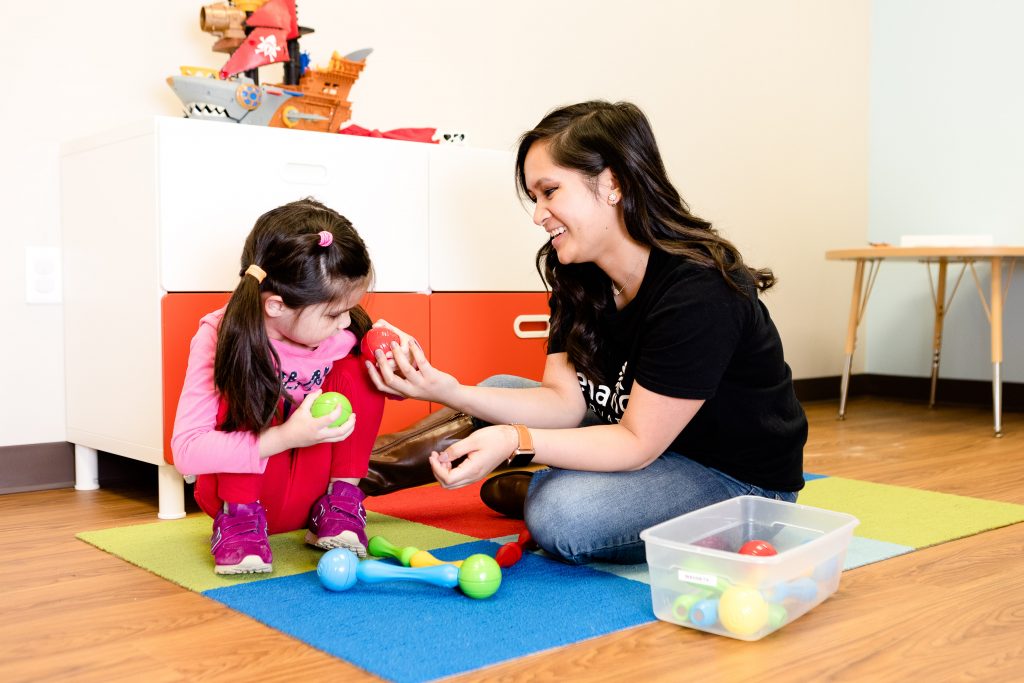 One of my earliest cases involved a young child who had already cycled through multiple therapy programs. Each had promised progress, and each had left the family more discouraged. During our first few weeks together, I did very little “formal” therapy. I watched how the child communicated discomfort, how transitions triggered shutdowns, and how adults often spoke for him instead of waiting. By slowing interactions and honoring his attempts to communicate—even when they were subtle—his frustration eased. What changed wasn’t the intensity of therapy, but the way adults responded to him.
Over the years, I’ve seen well-intentioned therapy plans fail because they focused too heavily on normalization. One family I worked with had been told their child needed to sit still before anything else could be addressed. In practice, the child learned to suppress movement at the cost of engagement. We shifted priorities toward communication and self-advocacy, allowing movement instead of fighting it. Engagement improved almost immediately. Autism Therapy should support a person’s ability to function and connect, not train them to disappear.
A common mistake families make—often under pressure—is pursuing every available service at once. I’ve watched children move from school to therapy to tutoring with no real downtime, only to see behavior escalate from sheer exhaustion. In several cases, reducing therapy hours led to better outcomes because the child finally had the space to process and generalize skills. More therapy isn’t always better therapy.
I’ve also learned that the most effective Autism Therapy includes parents and caregivers as active participants. Some of the most meaningful progress I’ve witnessed came from small changes at home: pausing before giving instructions, honoring refusals without power struggles, and adjusting expectations during stressful routines. These moments rarely make it into reports, but they shape daily life far more than any single intervention.
Autism Therapy works best when it’s individualized, flexible, and respectful of how each person experiences the world. The goal isn’t to produce a specific kind of child, but to reduce barriers, build understanding, and create room for growth on the person’s own terms. That mindset has guided my work far more reliably than any protocol ever could.